

An interesting and significant method for Indians to support environmental sustainability and have a fulfilling job is to launch a green company from home. The need for eco-friendly goods and services is only increasing as people become more conscious of pollution, climate change, and resource conservation. For entrepreneurs wishing to start green businesses from home with flexible settings and little expense, this trend offers a plethora of alternatives. A route to both profit and purpose may be unlocked by investigating green business concepts that match with Indian culture, market demands, and resource availability.
Eco-friendly packaging options are one potential direction. Small firms that make reusable or biodegradable packaging materials may prosper as a result of growing plastic restrictions and a drive for sustainable alternatives. Entrepreneurs may make bags, wraps, and containers for local markets, internet merchants, and organic food producers using materials like jute, cotton, bamboo, or recycled paper. Simple handcrafting methods and home-based manufacturing with basic equipment keep prices down while enabling customisation to meet various client demands.
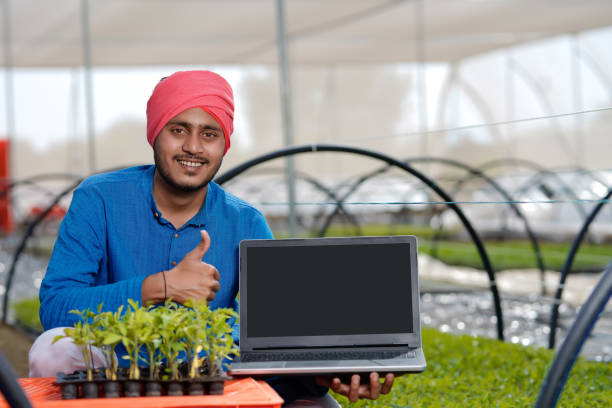
In Indian cities, where there is a shortage of space but a strong need for fresh food free of chemicals, organic gardening and urban farming are becoming more popular. You may draw in health-conscious customers by starting a home-based organic nursery, selling heritage seeds, or growing herbs and microgreens. Workshops and consulting services for city people who want to produce their own food sustainably are possible extensions of this enterprise. Including natural pest management techniques like vermicomposting increases value and establishes the business as a comprehensive eco-friendly solution.
Another area where demand is growing is the installation and consulting of renewable energy. To lower power prices and carbon footprints, many Indian homes and small companies are looking into energy-efficient equipment, solar panels, or biogas facilities. Product procurement, installation coordination, remote consulting, and maintenance guidance may all be provided from home by entrepreneurs who are familiar with these technologies. The business case is further strengthened by using government incentives and collaborating with regional suppliers.
A creative niche that combines traditional Indian creativity with environmental responsibility is upcycling and eco-friendly crafts. From fashion accessories to home décor, entrepreneurs may create items from discarded materials like glass, metal, or old fabrics. These products appeal to ethical buyers who value one-of-a-kind, handcrafted goods with backstories. Social media and online platforms provide efficient marketing and sales channels, giving home-based craftspeople access to both domestic and foreign markets.
One new green business concept is waste management advice and services for homes or small businesses. E-waste, plastics, and biological trash are produced in many Indian households, yet effective disposal techniques are lacking. This vacuum may be filled by launching a consultancy that provides information, analyzes waste streams, and provides solutions like collection services, composting sets, or segregation techniques. This company offers social and environmental advantages in addition to financial gain by raising community awareness and lowering landfill loads.
As customers move away from harsh chemicals, there is an increasing need for eco-friendly cleaning solutions. Creating and promoting floor cleaners, natural detergents, or personal care products like neem, tulsi, or lemon may draw in eco-conscious and health-conscious customers. Little equipment and space are needed for home manufacturing, and business owners may center their brand on Indian herbal traditions, safety, and purity. The ecological appeal is completed by packaging these items in recyclable containers.
Another possibility is provided by water conservation measures. Given the severe water shortage in India, goods and services that assist families in conserving or recycling water have a lot of promise. Entrepreneurs may design water-efficient irrigation equipment for residential gardens, install greywater recycling systems, or provide reasonably priced rainwater collecting kits. Using seminars or online resources to teach clients about water-saving techniques increases value and builds trust.
India’s rich cultural background is a good fit for sustainable fashion initiatives that emphasize natural fibers, handloom fabrics, and ethical manufacturing techniques. Business owners may create and market apparel, accessories, and home textiles made from khadi, bamboo, or organic cotton. Collaborating with regional craftspeople fosters traditional crafts and sustains rural livelihoods. Promoting these goods as socially and environmentally conscious may help them find niche markets both locally and internationally.
Another home-based business model is provided by digital platforms and content production centered on green living. Developing blogs, films, or courses on eco-friendly DIY projects, zero-waste lifestyles, or sustainable practices may draw viewers and generate revenue via sponsorships, advertisements, or premium memberships. Reach and reputation are increased via partnerships with NGOs and green brands. This concept is ideal for entrepreneurs with a strong interest in advocacy and education who are proficient in digital marketing and communication.
Last but not least, launching a home-based company that specializes in ecotourism or outdoor recreation might be lucrative. To capitalize on the increased interest in responsible tourism, consider planning seminars, virtual tours, or carefully planned travel itineraries that showcase animal habitats, rural crafts, or conservation initiatives. Even locally, arranging organic farm tours, nature walks, or birding events fosters a connection between urban dwellers and the natural world. Broad outreach is made possible by digital marketing technologies, which eliminate the need for physical infrastructure.
In conclusion, there are many different and increasingly popular green business ideas that Indians may start from home. These businesses enable entrepreneurs to fulfill changing customer needs while having a beneficial environmental effect, whether via digital content, education, consulting, or sustainable goods. Utilizing India’s natural resources, cultural legacy, and growing environmental awareness, home-based green enterprises may provide fulfilling livelihoods that support a healthy society and world. Although entering this field demands enthusiasm, ingenuity, and dedication, there are many benefits beyond financial gain.